Choosing a pressure vessel supplier starts with confirming that the supplier can manufacture your equipment to the required specification and clearly explain what is included in its proposal. In general, material, vessel size and price are part of that review. Additionally, mechanical design, inspection, registration and delivery responsibilities also need to be agreed on.
For OEMs, EPCs, and industrial end users, a clear purchasing scope helps reduce quotation gaps and questions during fabrication. Use the checklist below to compare suppliers and prepare a more complete enquiry.
What to Look for in a Pressure Vessel Supplier
Relevant Materials and Fabrication Experience
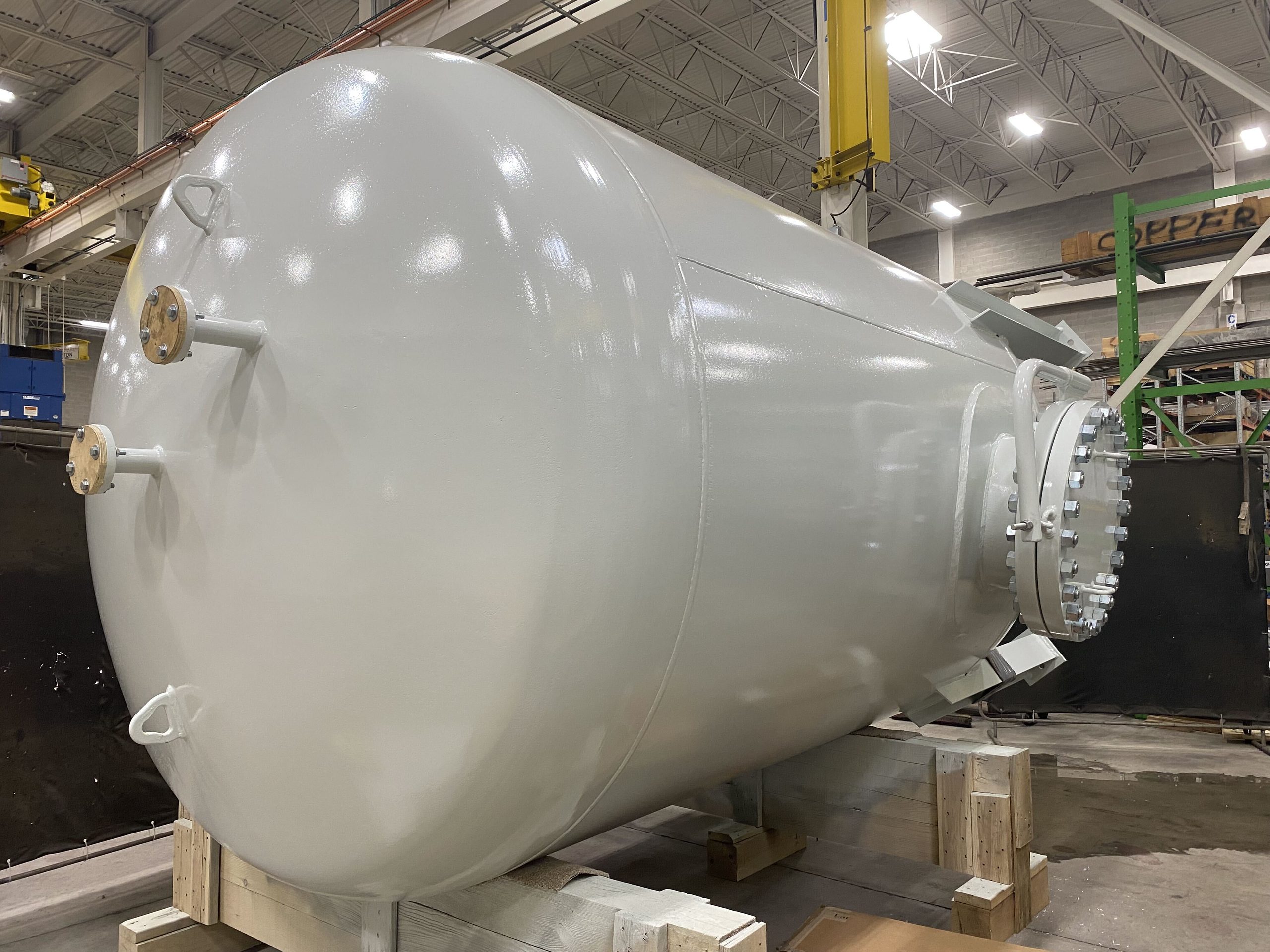
Ask for examples involving similar materials, vessel dimensions and connection arrangements. A supplier should be able to explain its experience with the specified material and any requirements for handling, finishing or component assembly.
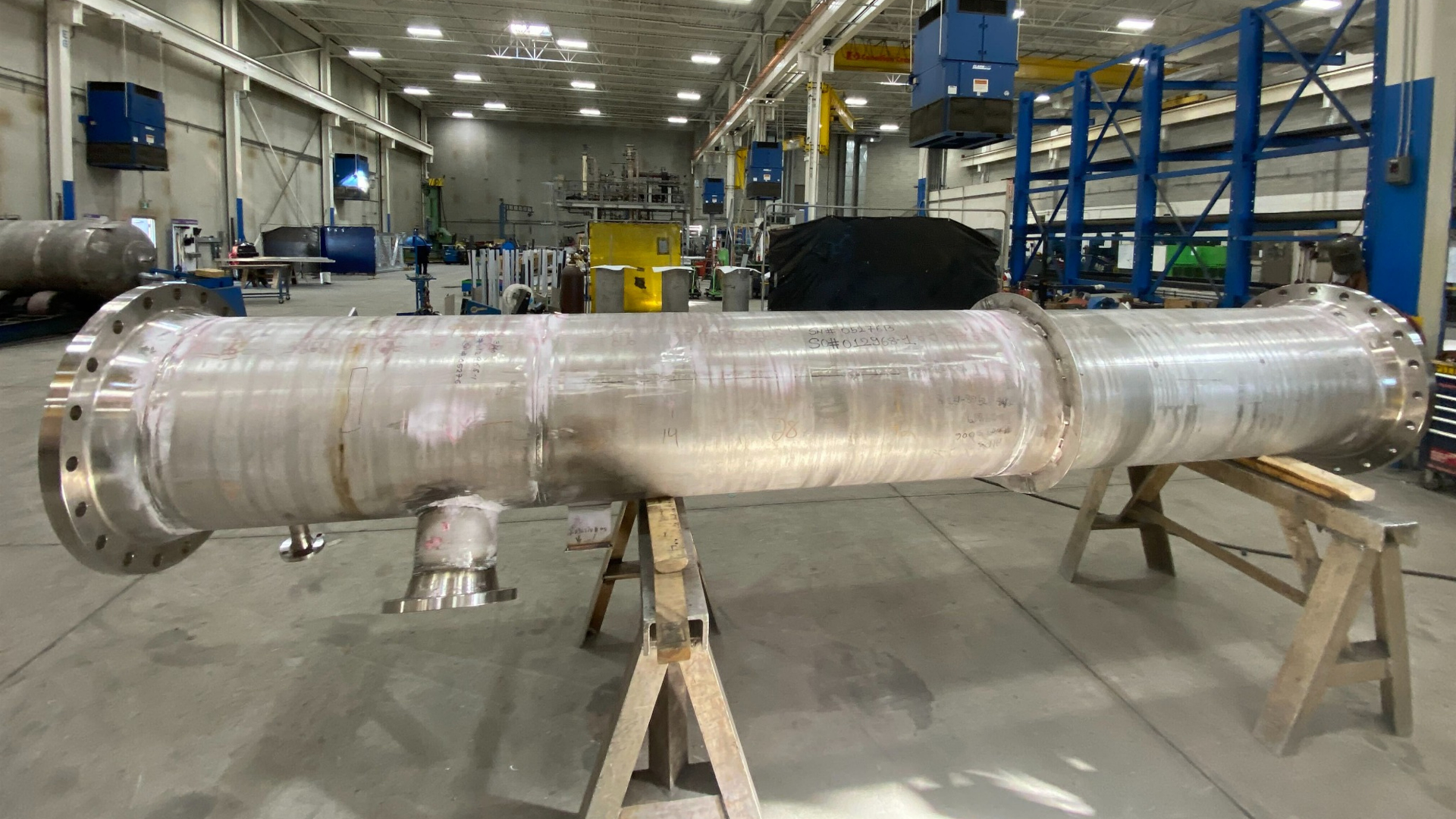
Review capabilities in carbon steel fabrication and stainless steel vessel fabrication as relevant to your project. For replacement equipment, also discuss how nozzle locations, flange orientations and interfaces with existing equipment will be checked.
Code Requirements and Current Certifications
Identify the construction code and edition, required stamping and installation location in your enquiry. For example, ASME Section VIII Division 1 addresses vessel design, fabrication, inspection, testing and certification.
Review the supplier’s current certificates and their scope. Confirm responsibility for any required Canadian Registration Number, National Board registration and supporting documents. The applicable requirements should be established for the equipment and its installation location. You can review Alps Welding’s current certifications when qualifying us for a project.
Mechanical Design and Drawing Responsibilities
Agree on who supplies the process design information and who completes the mechanical calculations and fabrication drawings. If your enquiry includes preliminary drawings, identify which details still need to be developed.
Set expectations for drawing submissions, customer reviews and approval before fabrication. Alps Welding provides mechanical engineering support for vessels we manufacture, with the responsibilities defined in the agreed scope.
Inspection Testing and Documentation
Discuss examination methods and coverage, pressure testing, inspection hold points and the records required at delivery. Identify any customer or third-party witness requirements so they can be allowed for in the quotation and schedule.
The final documentation package may include material records, examination reports, pressure test records, approved drawings and the applicable Manufacturer’s Data Report. Our guide to pressure vessel inspection and testing explains these topics in more detail.
Fabrication Capacity and Delivery Planning
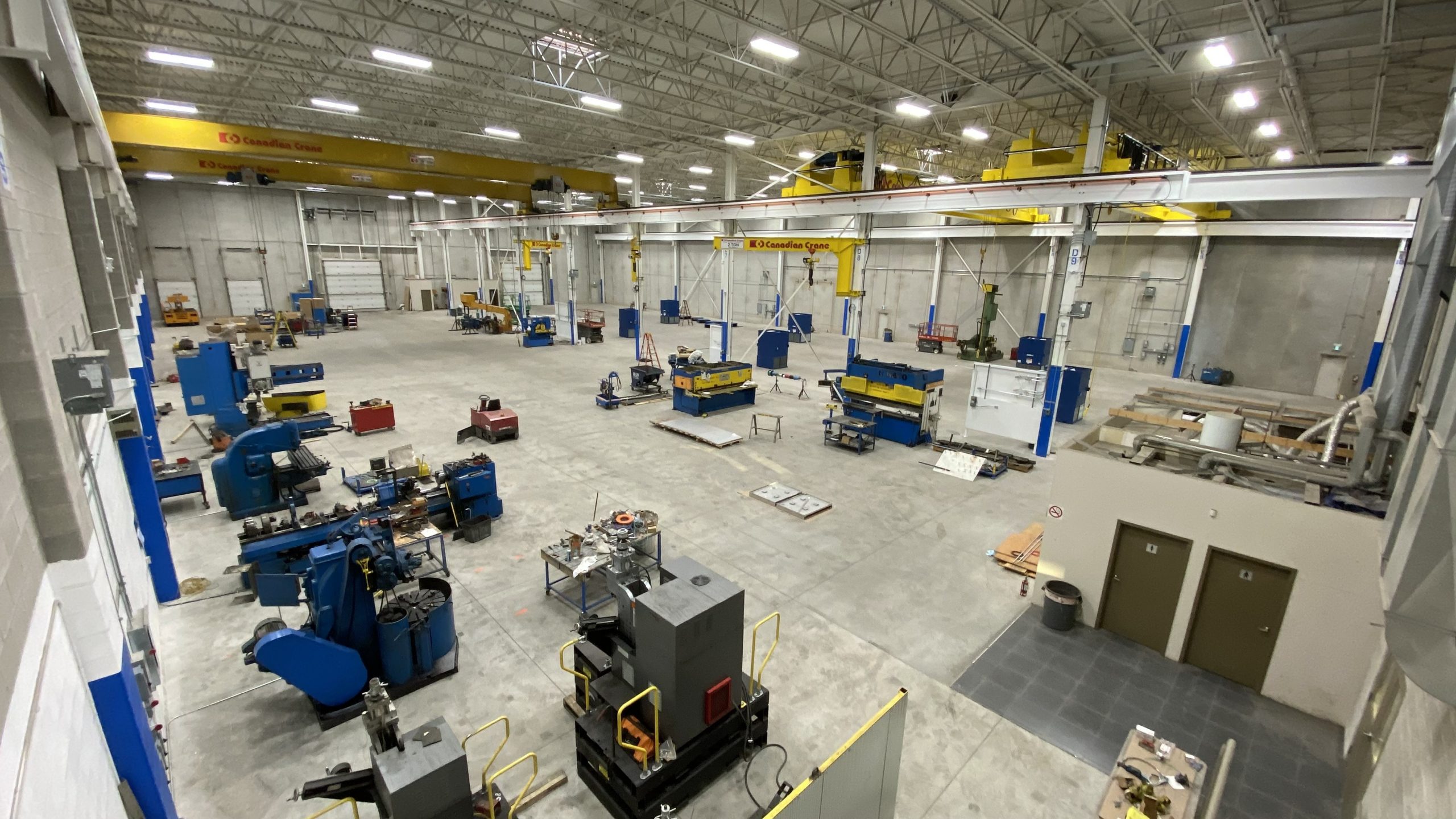
Confirm that the supplier can accommodate the vessel’s dimensions, weight and handling requirements. Discuss the shipping arrangement and any limits that may affect fabrication or delivery.
Ask how the proposed schedule accounts for material availability, drawing approval, fabrication, examination and final release. Where the project includes customer-supplied components, agree when those items need to arrive and who verifies their fit.
How to Compare Pressure Vessel Supplier Quotes
Give each supplier the same datasheet, drawings and purchase specification. Then check the scope included in each proposal, including mechanical design, purchased parts, registration, examination, surface treatment, packing and freight.
For example, one proposal may include a vessel body and nozzle connections, while another also includes internal component installation and a support skid. Record those differences before comparing the quoted totals.
Identify who supplies, installs and tests any internals, valves or instrumentation. Ask suppliers to list exclusions and assumptions, and resolve open items in the purchase order. This gives both teams a clear basis for handling later changes to materials, connections or assembly requirements.
What to Send with Your Pressure Vessel RFQ
A useful request for quotation gives the supplier enough information to review the equipment and identify any gaps. Include the following where available:
- Vessel quantity, application and intended installation location.
- Datasheets, drawings, overall dimensions and connection details.
- Operating and design conditions, including pressure, temperature and any vacuum requirement.
- Specified material grades, corrosion allowance and surface treatment requirements.
- Construction code, required stamping, registration and documentation.
- Examination, testing and inspection witness requirements.
- Internals, supports, purchased components and customer-supplied items.
- Required delivery date, shipping destination and assembly scope.
If some information is still being developed, identify it in the enquiry. Ask the supplier to state the assumptions used for its quotation and the information needed to finalize the scope.
Work with a Canadian Pressure Vessel Supplier
Alps Welding manufactures custom pressure vessels and industrial process equipment in Woodbridge, Ontario. We work with equipment designers, EPCs and industrial end users, with fabrication capabilities in carbon steel, stainless steel and specialty alloys.
Our team can review your available drawings, material specifications and required fabrication scope, including mechanical design support where needed. Explore our pressure vessel projects for examples of the equipment we manufacture.
Looking for a pressure vessel supplier for your next industrial project? Contact Alps Welding to discuss your drawings, specifications and delivery requirements.