

A successful process skid brings together equipment, piping, and structural supports in a layout that works for fabrication, transportation, installation, and maintenance.
At Alps Welding, we provide skid fabrication and assembly for industrial projects, bringing individual components together into custom skid systems. From vessel-mounted packages to larger modular assemblies, we work with customers to manufacture equipment around their project requirements and defined fabrication scope.
Whether you are developing a new process package or preparing equipment for a larger facility, early coordination helps turn drawings and specifications into a practical, integrated assembly.
What Is Skid Fabrication and Assembly?
Skid fabrication involves manufacturing the structural base or frame that supports a package of industrial equipment. Assembly brings the specified components together on that structure, creating a unit that can be handled and transported as an integrated package.
Depending on the application, a skid may incorporate pressure vessels, tanks, piping, valves, pumps, equipment supports, and access features. Its configuration depends on the process requirements, available space, equipment loads, and transportation limits.
Some projects require a single compact skid. Others use multiple interconnected skids or larger modules that form part of a complete process installation.
Bringing Equipment, Piping, and Structure Together
Process skid fabrication requires attention to how each component fits within the complete assembly. Equipment connections, pipe routing, structural supports, and maintenance clearances all influence the final layout.
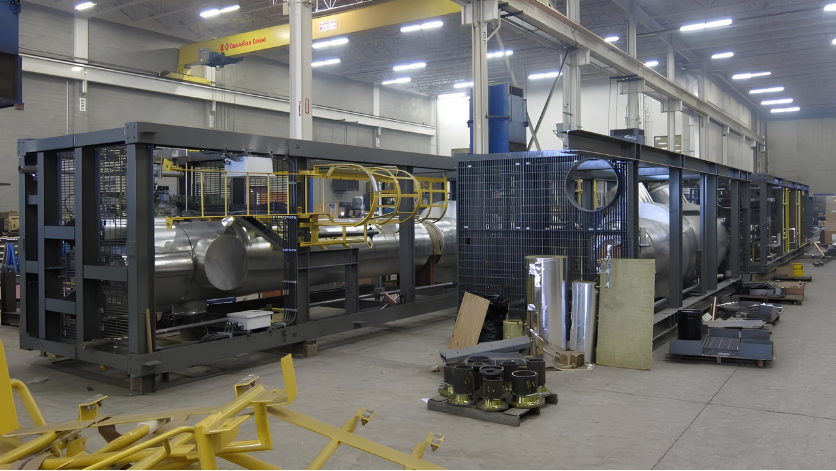
Structural Frames and Equipment Supports
The frame provides the foundation for the package. Its configuration must accommodate the equipment arrangement and the applicable requirements for handling, transportation, and installation.
Planning the frame alongside the equipment layout helps identify potential conflicts before assembly. Support locations, connection points, and access openings all deserve attention early in the project.
Vessel and Piping Assembly
Vessels and piping need to fit together while leaving room for installation, inspection, and maintenance. Nozzle orientation, flange access, valve operation, and space around removable components can all affect how practical the finished skid will be.
At Alps Welding, skid fabrication and assembly brings these elements together within the agreed project scope. Clearly identifying which components are fabricated, purchased, or supplied by the customer helps establish responsibilities before work begins.
Custom Skid Systems Built Around Your Requirements
Every process package has its own constraints. A skid intended for an existing building may need to fit through a restricted opening, while a larger outdoor installation may require several transportable modules.
Custom skid systems allow the equipment arrangement and structural configuration to reflect those requirements.
Key considerations include:
- Overall dimensions and available installation space.
- Equipment arrangement and connection locations.
- Material specifications and operating conditions.
- Access to valves, instruments, and serviceable components.
- Shipping dimensions, weight, and handling requirements.
- Connections between the skid and the surrounding plant.
- Inspection, testing, and documentation requirements.
Reviewing these details early helps establish a clear basis for fabrication and reduces the likelihood of changes during assembly.
From Individual Skids to Larger Modular Assemblies
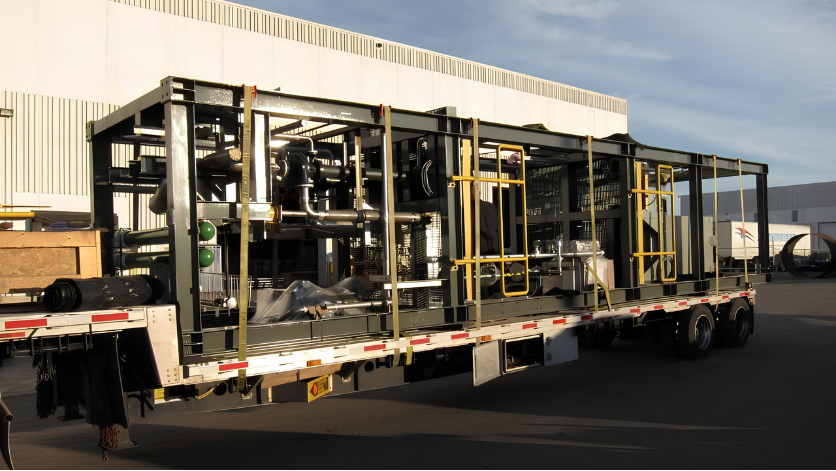
A single skid can support a defined process function. Larger projects may bring several equipment packages together within a modular structure.
Shop assembly allows teams to check the physical arrangement of equipment, piping, and supports before shipment. It can also reduce the amount of assembly required at the installation site, although final connections and commissioning remain dependent on the project scope.
For larger packages, transportation needs to be considered alongside fabrication. Module dimensions, shipping splits, lifting arrangements, and site access can influence how the assembly is configured.
Thinking through these requirements before fabrication helps connect the shop-built package with the realities of delivery and installation.
What to Share With Your Skid Package Manufacturer
A clear project package helps your skid package manufacturer understand what needs to be built and where coordination is required.
Useful information includes:
- General arrangement drawings and available 3D models.
- Process and instrumentation diagrams, where available.
- Equipment lists, dimensions, and weights.
- Piping specifications and material requirements.
- Applicable fabrication codes and project standards.
- Details of customer-supplied equipment.
- Required inspection, testing, and documentation.
- Shipping restrictions and installation requirements.
- Target delivery dates.
It is also helpful to define responsibility for process design, mechanical design, instrumentation, electrical work, and commissioning. These responsibilities vary by project and should be agreed upon when establishing the fabrication and assembly scope.
Discuss Your Skid Fabrication Project With Alps Welding
Planning a new process package or modular equipment assembly?
Alps Welding can review your drawings, equipment requirements, and fabrication scope to discuss how we can support your project. Share your available information with our team to start a conversation about your skid fabrication and assembly needs.