
A custom shell-and-tube heat exchanger needs to meet the requirements of the process and the facility where it will operate. Preparing for fabrication means bringing together the thermal requirements, mechanical specifications, materials, installation constraints and inspection scope.
For engineers, equipment designers and purchasing teams, a clear specification gives the manufacturer a useful starting point. It also makes quotations easier to compare and helps identify questions before materials are ordered.
This guide explains what to prepare, which details deserve early review, and how a heat exchanger project moves from specification to fabrication.
- When Does a Project Need a Custom Heat Exchanger?
- What Information Should You Prepare for a Quote?
- Who Is Responsible for Thermal and Mechanical Design?
- Which Details Need Early Review?
- What Affects Fabrication Cost and Delivery?
- How Does Heat Exchanger Fabrication Progress?
- Planning Your Heat Exchanger Project with Alps Welding
When Does a Project Need a Custom Heat Exchanger?
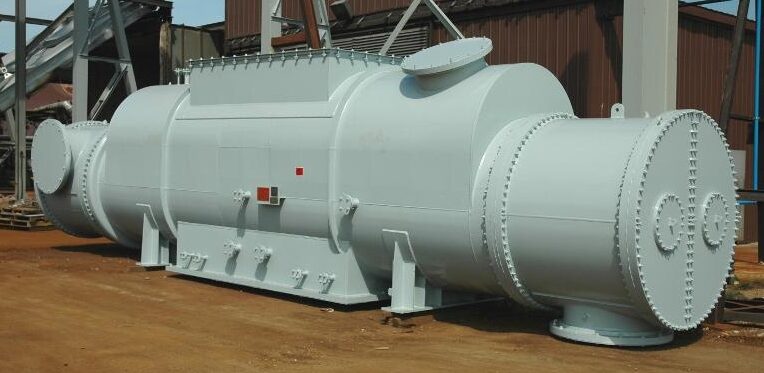
Shell-and-tube heat exchangers transfer heat between fluids through tube walls. They are used in heating and cooling applications, with the configuration selected around the intended service.
A custom unit may be needed when a project has specific process conditions, material requirements or installation constraints. For example, a replacement exchanger may need to align with existing piping and supports, while a new installation may have limited room for equipment access.
Start by explaining what the equipment must do and where it must fit to the heat exchanger manufacturer. For replacement projects, share the existing datasheet and drawings alongside any changes in operating requirements. Confirm which dimensions must be retained and which can be reviewed.
Explore our heat exchanger projects for examples of equipment manufactured by Alps Welding.
What Information Should You Prepare for a Quote?
A useful enquiry should distinguish confirmed requirements from preliminary information. Send the available datasheet, drawings and project specifications together, and identify any items that still need engineering review.
Heat Exchanger Enquiry Checklist
- Service and fluids: Identify shell-side and tube-side fluids, composition and relevant corrosion or fouling concerns.
- Thermal requirements: Provide flow rates, inlet and outlet temperatures, heat duty and allowable pressure drop where established.
- Design conditions: State operating and design pressures and temperatures for each side, including specified upset or vacuum conditions.
- Configuration: Include the specified exchanger arrangement, tube details, shell dimensions and nozzle schedule where available.
- Materials: Identify grades for the shell, tubes, tubesheets and other components, plus corrosion allowance or cladding requirements.
- Installation: Provide orientation, support locations, piping interfaces, access restrictions and delivery location.
- Quality requirements: Supply applicable codes, standards, inspection scope, testing requirements and documentation specifications.
- Commercial scope: State quantities, delivery needs, design responsibilities and customer-supplied components.
You do not need every detail finalized to begin a discussion. Mark missing information clearly so the manufacturer can explain what is needed for a budget estimate and what must be settled before fabrication.
Who Is Responsible for Thermal and Mechanical Design?
A heat exchanger project needs a clear agreement on who supplies and approves the design information. The enquiry should identify the party responsible for each part of the work.
Thermal and Process Requirements
Thermal design addresses the required heat-transfer performance within the process conditions. Confirm who establishes the duty, evaluates the operating cases and approves the thermal design.
If the customer or a specialist designer provides this work, include the approved thermal datasheet with the fabrication enquiry. Also identify who will respond to process questions and who carries any agreed performance guarantee.
Mechanical Design and Fabrication Drawings
Mechanical design develops the equipment details needed for construction, including the pressure-retaining components and their interfaces. Drawings bring together dimensions, materials, connections and assembly requirements for review.
Alps Welding, a heat exchanger manufacturer, provides mechanical design and calculations for heat exchangers we fabricate, along with 3D modelling and fabrication drawings. Learn more about our engineering support.
Before work begins, record the design scope, approval responsibilities and required deliverables. This gives everyone a common reference when a proposed change affects more than one part of the project.
Which Details Need Early Review?
Materials and Component Specifications
Describe material requirements by component for the heat exchanger manufacturer. A general instruction such as “stainless steel exchanger” may leave questions about the shell, tubes, tubesheets, channels and connections.
Provide specified grades and any requirements for cladding, material testing or substitutions. Our carbon steel fabrication capabilities include heat exchanger equipment incorporating carbon steel and stainless steel components.
Cleaning and Maintenance Access
Discuss how the equipment will be opened, inspected and cleaned. Where the design includes a removable bundle, review the space and handling arrangements needed to withdraw it.
Check access around covers, flanges and connections as well as the exchanger’s overall dimensions. The installation layout should account for the intended maintenance activities.
Codes, Inspection and Project Specifications
Provide the specified construction code and any applicable TEMA, API 660 or HEI requirements for review, including the required editions. Their applicability depends on the equipment and project scope; they should not be treated as a universal checklist for every exchanger.
Identify registration needs for the installation location, inspection hold points, testing and the final documentation package. Review Alps Welding’s certifications alongside the requirements of your project.
What Affects Fabrication Cost and Delivery?
A quotation is easier to assess for a heat exchanger manufacturer when it explains the equipment scope, purchased components, inspection requirements and approval assumptions.
Tubes, Tubesheets and Assembly Details
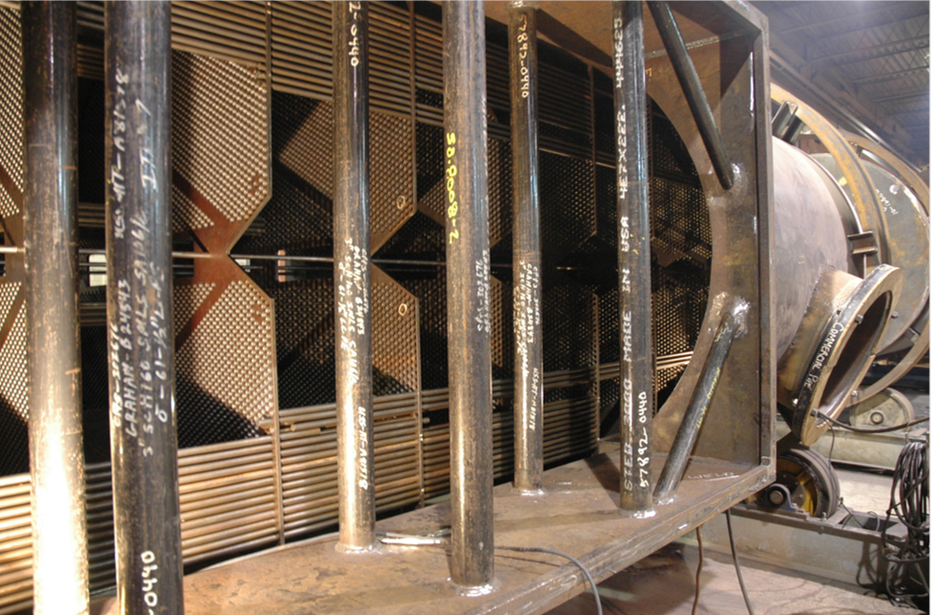
Review tube quantity, dimensions and materials together with the tubesheet and tube-to-tubesheet joint requirements. Ask the manufacturer to identify which details drive machining, assembly and inspection work.
Equipment with a similar overall size can have a different fabrication scope. Comparing shell dimensions alone will not show those differences.
Material Availability and Purchased Components
Confirm the procurement status of specified tubes, plate, forgings and other components. Ask which items affect the delivery schedule and whether the quotation assumes particular suppliers or approved alternatives.
Any proposed substitution should go through the appropriate technical and customer review before purchasing.
Inspection, Finishing and Approvals
Specify required examination, testing, heat treatment, surface preparation and coatings. Where painting or heat treatment requirements remain undecided, ask for them to be identified separately so the base quotation is clear.
Also agree on drawing-review milestones and customer response dates. Ask how a late approval or specification change would affect procurement and fabrication.
Shipment and Installation Planning
Share site access restrictions, receiving arrangements and delivery requirements early. Discuss the shipping dimensions, equipment protection and handling responsibilities before the unit is ready to leave the shop.
How Does Heat Exchanger Fabrication Progress?
The following stages describe a typical project sequence. The detailed work plan and inspection points depend on the approved design and agreed scope.
1. Specification Review and Drawing Approval
The project team reviews the enquiry, resolves outstanding scope questions and develops the required mechanical documents. Customer approvals and applicable registration activities are coordinated with the work they affect.
2. Material Procurement and Component Preparation
Materials and purchased items are obtained to the approved requirements. Component preparation may include shell forming, cutting, machining tubesheets and preparing baffles and supports.
3. Fit-Up, Welding and Tube Assembly
The shell and associated components are assembled according to the fabrication plan. Tube installation and tube-to-tubesheet joint work follow the approved design and procedures.
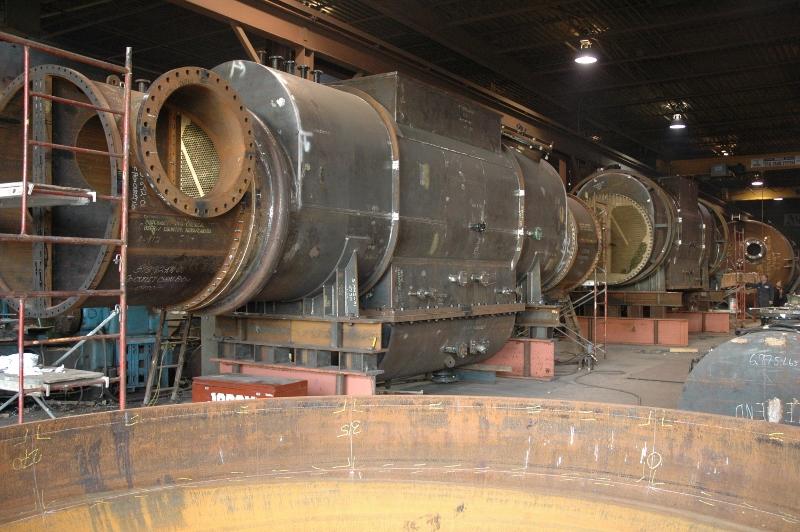
On one of our published condenser projects, each unit contained more than 4,000 brass tubes and measured over 40 feet long. Alps fabricated the shells, assembled the internals, inserted and expanded the tubes, and hydrotested the units in our facility. View the large condenser fabrication project for an example of this work.
4. Examination, Inspection and Testing
Examination and inspection take place at the specified stages, including before relevant areas become inaccessible. Testing follows the approved requirements, with results recorded in the agreed documentation package.
5. Finishing, Documentation and Delivery
The team completes specified finishing work and prepares the equipment for transport. The delivery package should contain the drawings, material records, inspection reports and other documents agreed for the project.
Planning Your Heat Exchanger Project with Alps Welding
Alps Welding is a heat exchanger manufacturer that fabricates custom industrial equipment in Woodbridge, Ontario, supporting equipment designers, EPCs and end users. Our capabilities include shell-and-tube heat exchangers, condensers and economizers, with mechanical engineering support and fabrication tailored to the project scope.
Whether you have an early datasheet or an established specification, share the available information and the questions that still need to be resolved. We can review the fabrication requirements and discuss the next steps for your project.