A replacement pressure vessel has to work within an existing plant. Pipe connections, support locations, access restrictions and shutdown schedules can all shape the project before the first plate is cut.
Before pressure vessel fabrication begins, confirm that the replacement reflects current service conditions and any changes made since the original equipment was installed. Reviewing these details early gives the owner, designer and custom vessel manufacturer a shared basis for the fabrication scope and schedule.
1. Define what is being replaced
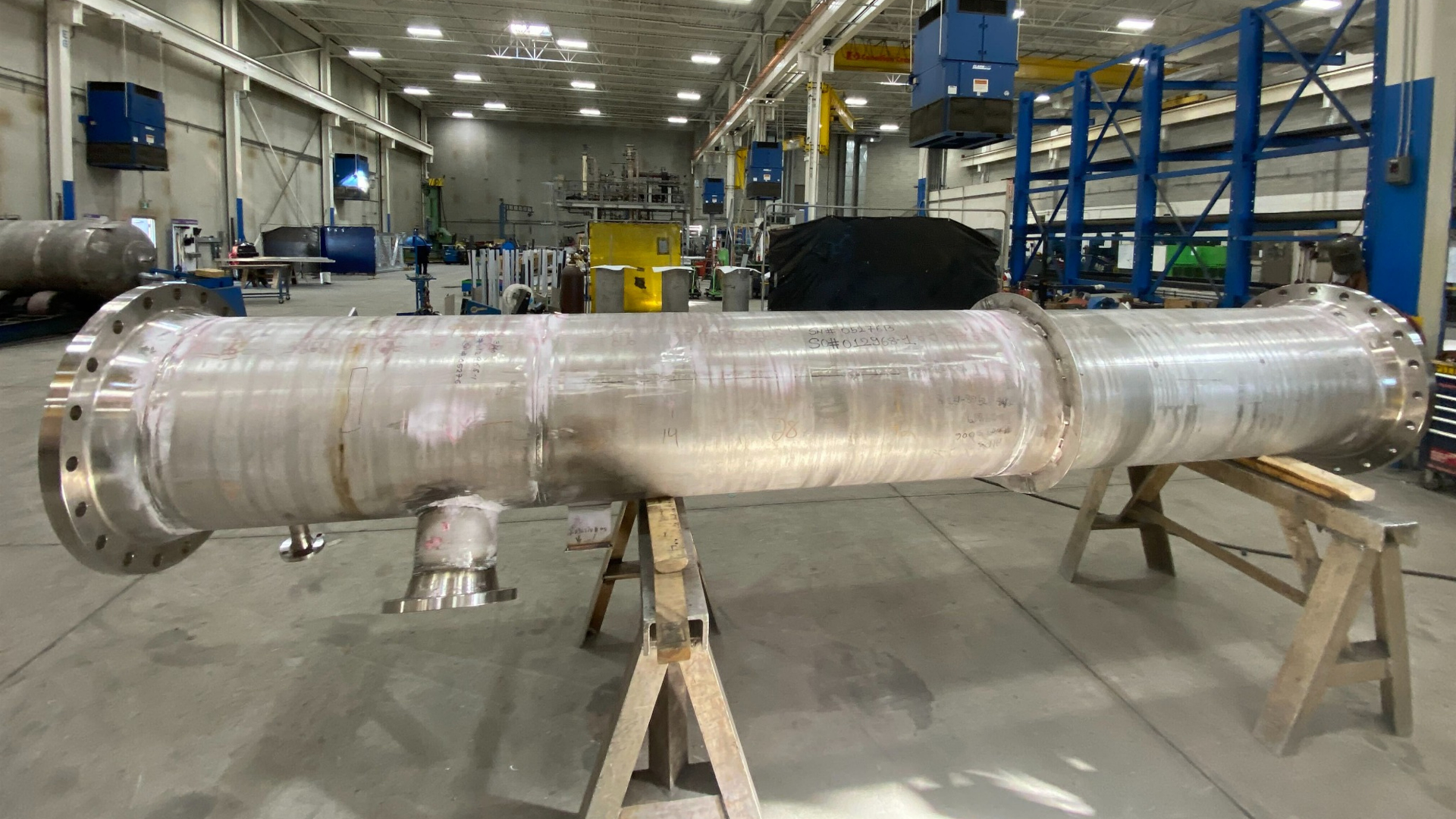
Start by identifying whether the project involves a complete vessel, a replacement shell or column section, or another pressure-retaining component. The scope determines which connections, retained components and site activities need to be considered.
For a replacement column section, for example, both end connections and the interfaces with the remaining equipment need to be checked. The assessment should also establish whether replacing the section is an appropriate solution for the condition of the overall vessel.
Set clear responsibilities for mechanical design, field measurements, fabrication, internals, instrumentation, removal, installation and commissioning. Customer-supplied components should be identified, including who will install them and when they will be available.
2. Confirm current service and design conditions
Review how the equipment operates today and whether its intended service will change. A replacement specification should distinguish normal operating conditions from the design conditions used for mechanical calculations.
Confirm:
- Process fluids, concentrations and relevant contaminants.
- Operating and design pressures and temperatures, including vacuum where applicable.
- Minimum design metal temperature and relevant start-up, shutdown or cyclic conditions.
- Cleaning methods, cleaning chemicals and expected changes in service.
If corrosion, cracking or recurring damage prompted the replacement, share the available inspection and maintenance records. The responsible engineering team can use that history to assess whether the original specification remains suitable or needs to change.
3. Verify dimensions against the installed equipment
Diameter and overall length are only part of the dimensional review. A replacement pressure vessel must also align with the plant around it.
Check:
- Nozzle locations, elevations, orientations and projections.
- Flange sizes, pressure classes, facings and bolt-hole orientations.
- Support locations, anchor bolt patterns and interfaces with existing steelwork.
- Clearance for insulation, platforms, instrument connections and maintenance access.
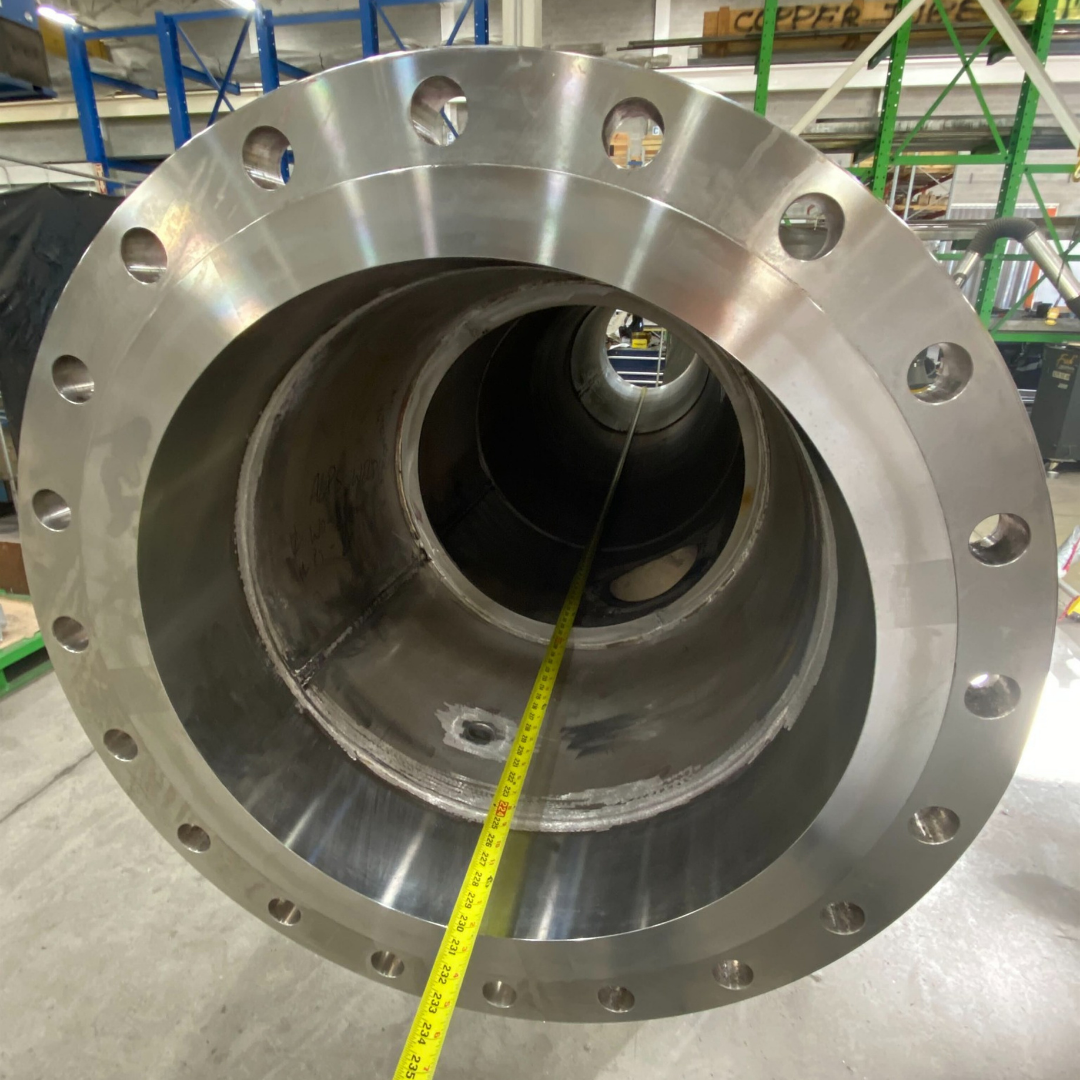
Compare the available drawings with verified site measurements, particularly where piping or supports have been modified. A flange can have the correct nominal size and pressure class yet still create fit-up problems if its position or orientation differs.
Record which dimensions are fixed and which can be adjusted. Resolve measurement discrepancies before approving fabrication drawings.
4. Review materials and surface treatment
Confirm the specified material grade for the vessel body, nozzles, flanges, internals and supports. Review the performance of the original materials, particularly if corrosion contributed to the replacement decision.
If a material change is proposed, such as replacing carbon steel with stainless steel, have the responsible design team review process compatibility, mechanical design, welding requirements and connections to retained equipment.
Specify any corrosion allowance, internal lining, external coating and required surface finish. For stainless steel equipment, confirm whether chemical cleaning, pickling or passivation is required, together with the treatment scope and acceptance requirements.
Our carbon vs. stainless steel pressure vessel guide explores the material considerations in more detail.
5. Confirm code requirements and inspection plans
Confirm the applicable construction code and edition, registration requirements and inspection arrangements before pressure vessel fabrication begins. ASME BPVC Section VIII, Division 1 addresses pressure vessel design, fabrication, inspection, testing and certification.
Replacing a complete vessel and replacing part of an existing vessel can involve different compliance requirements. Establish with the responsible engineer, inspector and relevant authority whether the work is new construction, a repair or an alteration. For Canadian installations, confirm the applicable Canadian Registration Number requirements for the installation jurisdiction and scope.
Agree on the required nondestructive examination (NDE), pressure testing, inspection hold points and final documentation. Depending on the project, records may include material certificates, examination reports, test records, applicable manufacturer’s data reports and registration documents.
Include review and inspection activities in the schedule. Their timing can affect when work may proceed and when equipment is ready for shipment.
6. Plan delivery around the shutdown and site access
Work back from the required installation date. Allow time for drawing approval, material procurement, fabrication, examination, testing, surface treatment and transport.
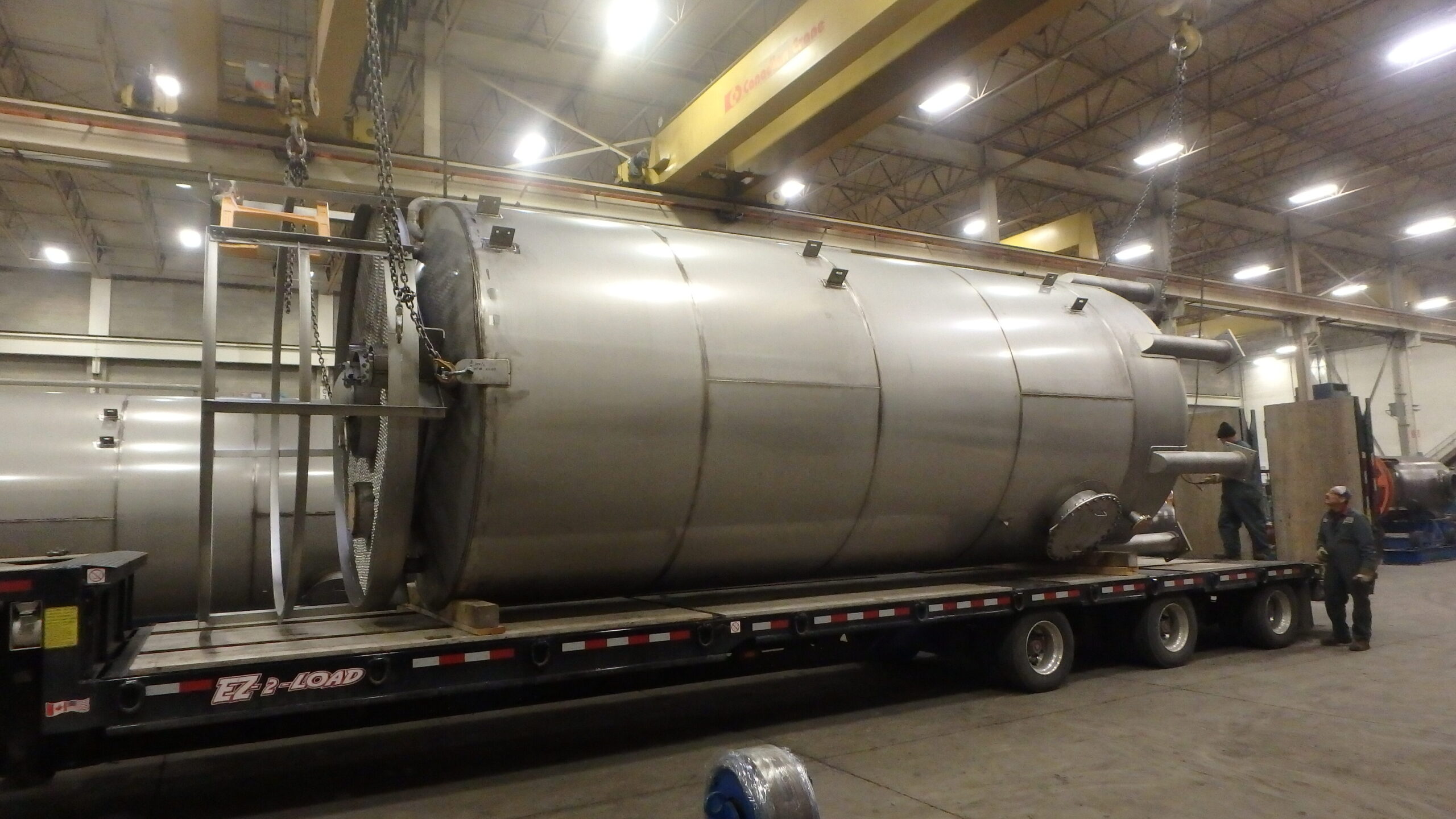
Confirm the shipping dimensions and weight, including any attachments or transport supports. Review the delivery route, unloading arrangements and access to the installation location with the site and transport teams.
If the equipment will arrive before the shutdown, define its preservation and storage requirements. Protective wrapping, flange covers and other measures should suit the material, storage environment and expected duration.
What to send your custom vessel manufacturer
For an initial review, gather the information available and clearly identify anything still to be confirmed:
- Existing drawings, nameplate details and original manufacturer’s data reports, where available.
- Replacement scope, current service conditions and design requirements.
- Verified dimensions, nozzle details and photographs of the installation.
- Specified materials, corrosion protection and surface treatment.
- Inspection history and the reason for replacement.
- Code, registration, examination, testing and documentation requirements.
- Supply responsibilities, delivery location and shutdown schedule.
Discuss your replacement vessel project with Alps Welding
Alps Welding manufactures custom carbon steel and stainless steel pressure vessels in Woodbridge, Ontario, with mechanical engineering support available for equipment we fabricate. Alps Welding Ltd.
If you are planning a replacement pressure vessel or vessel section, share your available drawings, service requirements and installation constraints. Our team can review the fabrication scope and discuss the mechanical design support your project needs.