
Choosing between a carbon steel pressure vessel and a stainless steel pressure vessel starts with what the vessel will contain and how it will operate. Carbon steel can offer an economical solution when it is compatible with the service and corrosion is controlled. Stainless steel may be a better fit when corrosion resistance, product cleanliness or frequent cleaning are central requirements.
The right choice depends on the specific grade, process chemistry, design conditions and maintenance plan. This pressure vessel material guide explains the main differences and the information customers should prepare before discussing a project with a pressure vessel manufacturer.
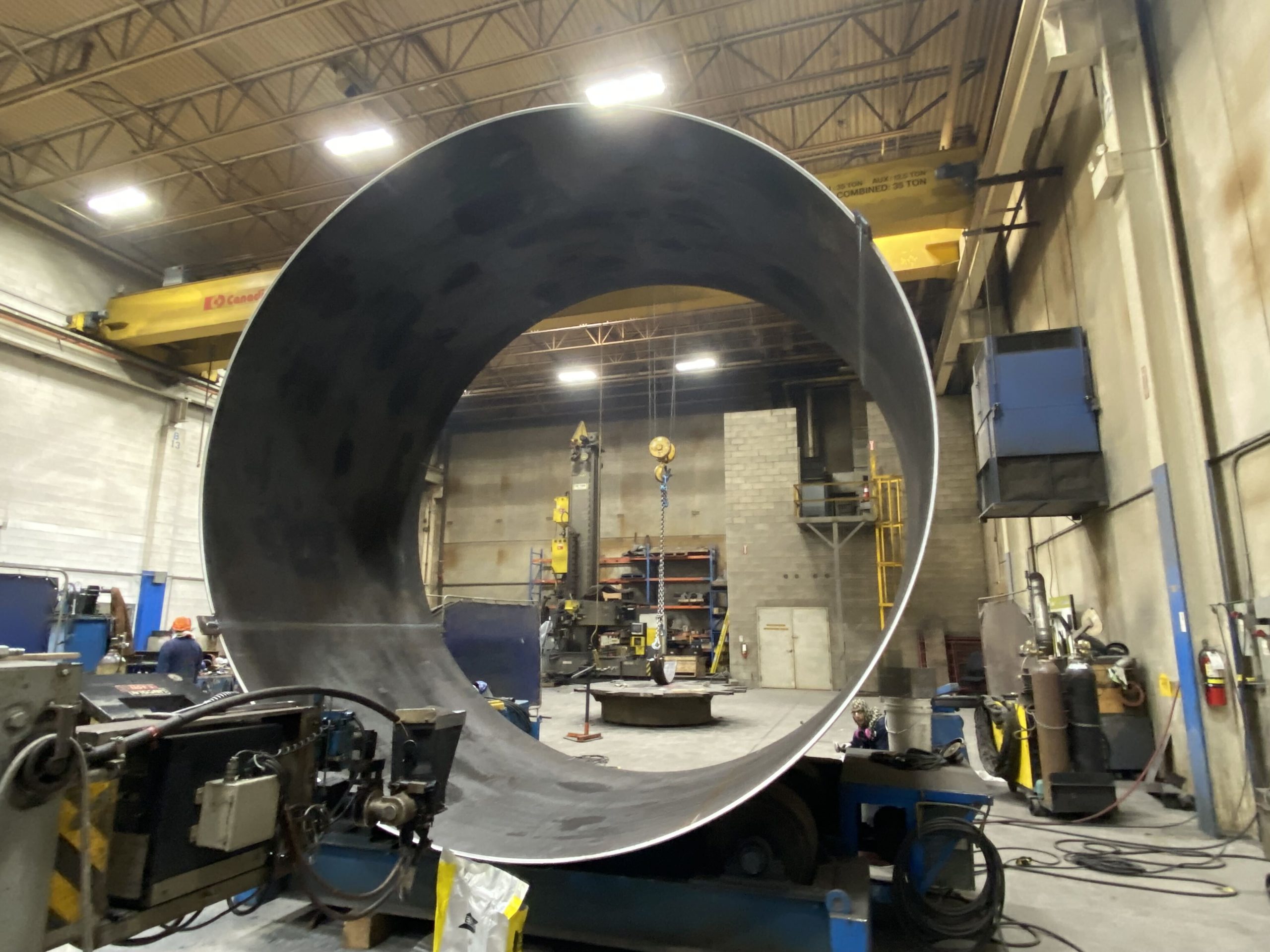
- Carbon Steel vs. Stainless Steel Pressure Vessel Comparison
- When Should You Consider a Carbon Steel Pressure Vessel?
- When Should You Consider a Stainless Steel Pressure Vessel?
- Five Questions That Help Determine Pressure Vessel Material
- Why Fabrication Practices Matter for Both Materials
- What to Send Your Pressure Vessel Manufacturer
- Frequently Asked Questions
- Discuss Your Pressure Vessel Project With Alps Welding
Carbon Steel vs. Stainless Steel Pressure Vessel Comparison
| Consideration | Carbon steel | Stainless steel |
|---|---|---|
| Initial cost | Often lower for comparable vessel requirements | Often higher; depends on grade and fabrication scope |
| Corrosion | May require corrosion allowance, a compatible lining or other controls | Resistance depends on grade and service conditions |
| Cleaning and cleanliness | Process and any protective system must meet cleanliness requirements | Often considered for product contact and frequent cleaning; finish and design still matter |
| Pressure and temperature | Requires grade-specific code design | Requires grade-specific code design |
| Maintenance | Include inspection and upkeep of corrosion protection | Include inspection, cleaning and monitoring for service-specific corrosion |
| Selection basis | Compatibility plus an acceptable corrosion management strategy | Compatibility of the selected grade with process and cleaning conditions |
These are starting points for comparison. Neither material is automatically suitable for every application.
When Should You Consider a Carbon Steel Pressure Vessel?
Carbon steel is worth evaluating when the process fluid is compatible with the specified grade, product cleanliness requirements can be met and corrosion risks can be managed.
Its initial cost can make it attractive, particularly for large vessels. However, the full scope should include any lining, coating, inspection or maintenance requirements.
Match the Steel Specification to the Service
SA-516 Grade 70 is one example of carbon steel plate used for pressure equipment. Naming a grade is only the beginning: the design must also address temperature, toughness, thickness, fabrication and any special service requirements. A grade should not be assumed suitable merely because it is commonly used.
Plan for Corrosion Protection and Maintenance
A corrosion allowance provides additional metal thickness for anticipated loss in service. It does not prevent corrosion or solve every corrosion mechanism.
If a lining is proposed, assess its chemical compatibility, temperature limits, inspection access and repair requirements. External paint also does not protect the internal surface from process fluids.
Explore Alps Welding’s carbon steel fabrication capabilities for custom industrial equipment.
When Should You Consider a Stainless Steel Pressure Vessel?
Stainless steel is often considered where corrosion resistance and cleanable surfaces are important. Its performance depends on the alloy and environment, including process chemicals, cleaning solutions, temperature and contaminants.
Choose the Grade for the Actual Process
304L and 316L are familiar stainless steel grades, but they are not interchangeable in every service. The molybdenum in 316L improves resistance to pitting and crevice corrosion in many environments. That does not make it suitable for every chloride-containing fluid.
Review the complete process chemistry before specifying a grade. More demanding conditions may require another stainless grade or a specialty alloy.
Outokumpu’s stainless steel corrosion tables provide reference information for an initial review.
Include Cleaning Conditions in Material Selection
The vessel must tolerate cleaning as well as normal operation. Specify cleaning chemicals, concentrations, temperatures and frequency.
Where hygienic performance is required, material selection must be supported by suitable surface finish, weld quality, drainage and access for cleaning.
Learn about Alps Welding’s stainless steel pressure vessel manufacturing.
Five Questions That Help Determine Pressure Vessel Material
1. What Will the Vessel Contain?
Provide fluid composition, concentrations, pH and relevant contaminants. Describe start-up, shutdown and upset conditions as well as normal operation.
A broad description such as “water” or “chemical service” may omit information essential to material selection.
2. What Are the Pressure and Temperature Conditions?
Identify operating and design pressure and temperature, minimum design metal temperature, and any vacuum or cyclic service.
Neither carbon steel nor stainless steel is inherently the better high-pressure choice. The specified grade and code calculations govern the design.
ASME BPVC Section VIII, Division 1 addresses pressure vessel design, fabrication, inspection, testing and certification. Code compliance and compatibility with the process must both be addressed.
3. Are Chlorides or Other Aggressive Chemicals Present?
Stainless steel can suffer localized corrosion or stress corrosion cracking under certain conditions, including chloride exposure. Assess concentration, temperature and stresses together.
See Outokumpu’s guide to stainless steel corrosion resistance for an explanation of these mechanisms.
4. What Cleanliness and Maintenance Standards Apply?
Consider acceptable contamination, cleaning access, inspection intervals and planned downtime.
A lower purchase price may be less attractive if maintaining a protective system is difficult or interruptions are costly.
5. What Is the Cost Over the Vessel’s Service Life?
Compare equivalent scopes, including material, fabrication, finishing, lining or coating, inspection, cleaning, repairs and anticipated downtime.
Stainless steel may reduce certain maintenance needs in a suitable service, while carbon steel may remain the more economical option in another. The comparison should reflect the actual process and expected life.
Why Fabrication Practices Matter for Both Materials
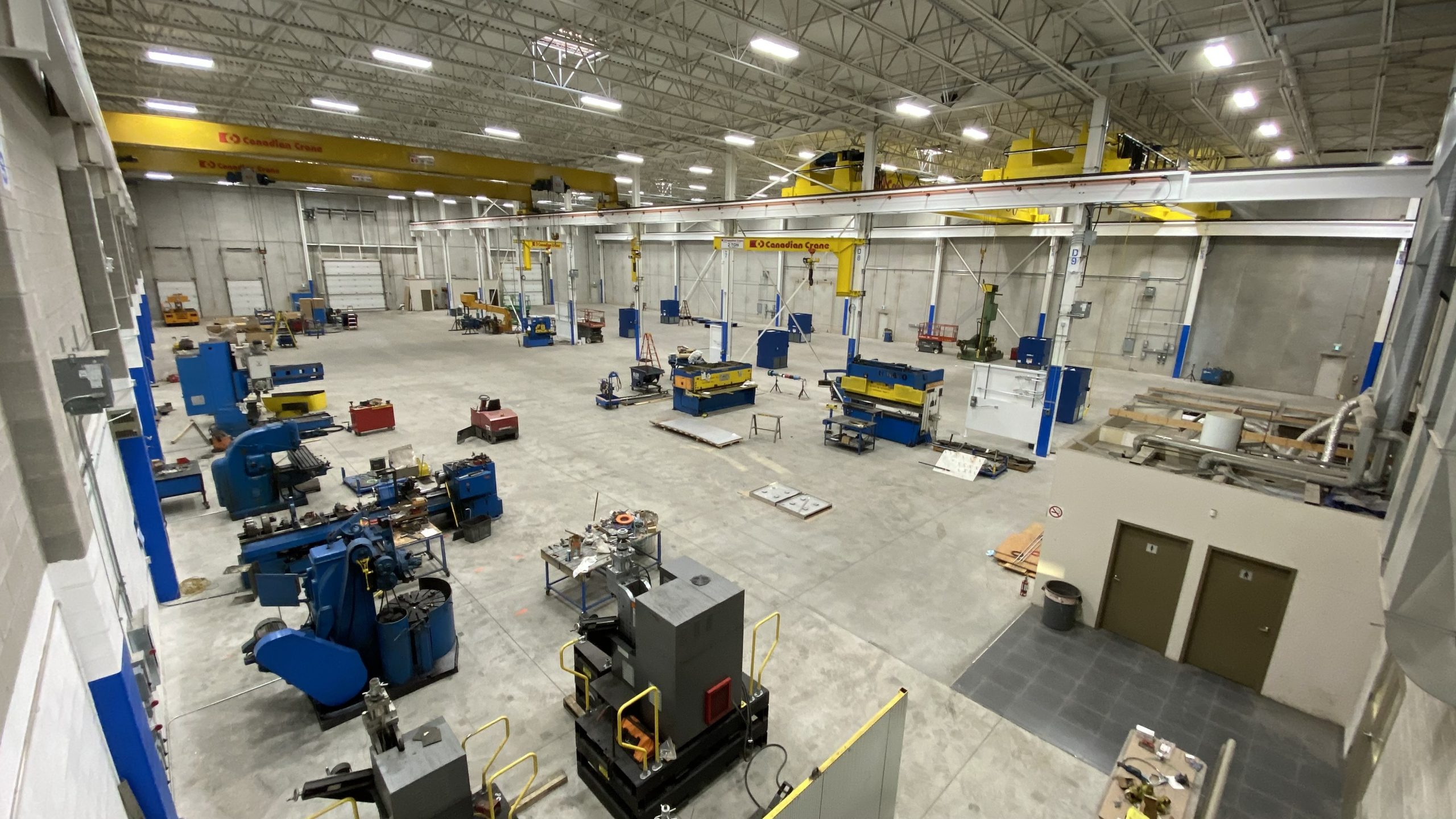
Material selection carries through to welding procedures, material records, inspection and surface preparation.
For stainless equipment, surface contamination and weld oxides can affect corrosion performance. Specify the required cleaning and surface treatment rather than assuming a particular finish is included.
Worldstainless explains stainless steel surface treatments and their role in removing contamination and supporting the protective surface film.
Alps Welding has a separate stainless steel fabrication facility alongside its carbon steel fabrication capabilities. Our team can review your specified materials, drawings and fabrication requirements, with mechanical engineering support available within the agreed scope.
What to Send Your Pressure Vessel Manufacturer
For a useful technical review and estimate, prepare:
- Process fluid composition and relevant contaminants.
- Operating and design pressure and temperature, including vacuum conditions.
- Minimum design metal temperature and any cyclic service.
- Required dimensions, orientation, nozzles and internals.
- Specified material grades or material questions still under review.
- Corrosion allowance, lining, coating and surface finish requirements.
- Cleaning methods and chemicals.
- Applicable code, registration, examination, testing and documentation requirements.
- Installation environment and delivery requirements.
For a broader look at preparing a vessel project, read our custom pressure vessel guide.
Frequently Asked Questions
Is Stainless Steel Always Better Than Carbon Steel?
No. The better choice is the material that meets the process, design and maintenance requirements at an acceptable lifetime cost. Stainless steel is not immune to corrosion.
Can a Carbon Steel Pressure Vessel Be Used in Corrosive Service?
Sometimes, with a suitable material specification and corrosion management strategy. Compatibility and the expected damage mechanisms must be evaluated; adding thickness alone does not address every risk.
Should I Specify 304L or 316L Stainless Steel?
The decision depends on the process and cleaning environment. 316L offers improved resistance to certain forms of corrosion, but demanding conditions may require a different alloy.
Does Stainless Steel Eliminate Inspection and Maintenance?
No. Inspection and maintenance remain necessary. The plan should reflect the selected grade, process conditions, vessel design and applicable requirements.
Discuss Your Pressure Vessel Project With Alps Welding
Alps Welding manufactures custom carbon steel and stainless steel pressure vessels in Woodbridge, Ontario. Share your drawings, service conditions and material specifications so we can review the fabrication scope and mechanical design support you need.
If material selection is still open, identify it early so process compatibility can be confirmed by the responsible design team before fabrication proceeds.